The cold bathroom tiles on a November morning in London. You stare at the mirror, holding a tiny dropper bottle. The glass clinks against the rim. You have patted your face completely dry with a fluffy towel, just as you have always done.
You press the clear, slippery gel into your cheeks, waiting for that promised plumpness. But instead, an hour later, your face feels tight. It feels papery around the edges. You blame the central heating, or perhaps you think you just need a richer cream.
The truth is sitting right there on your bathroom shelf, quietly sabotaging your efforts. You are likely treating a moisture-magnet like a moisturiser. And for skin that has seen four decades of British winters, this single mechanical error is silently dismantling your protective barrier.
The Sponge and the Desert
Think of hyaluronic acid not as a drink of water, but as an aggressively thirsty sponge. Its entire chemical purpose is to bind to moisture. It does not care where that moisture comes from; it just grabs the nearest available source.
When you apply this potent humectant to a bare, thoroughly dried face, you create a microscopic vacuum. Because the air in your bedroom is dry, the acid turns inwards. It begins pulling the water up from the deeper reserves of your dermis.
Instead of hydrating your skin, you are inadvertently flash-drying your own collagen layers. You are essentially turning your skin into a raisin from the inside, completely reversing the intended effect of your expensive skincare investment.
Dr Eleanor Vance, a 52-year-old dermal physiologist based in Marylebone, sees this precise self-sabotage daily. ‘Women come to me with compromised, flaking skin, clutching fifty-pound bottles of serum,’ she explains. ‘They treat it like a traditional cream. But putting a humectant on dry mature skin is like throwing a dry kitchen sponge onto a dusty floor. The sponge needs soaking first.’
Tailoring the Damp Canvas
Not all mature skin behaves exactly the same way. How you introduce that crucial base layer of water depends entirely on what your face naturally craves in the morning.
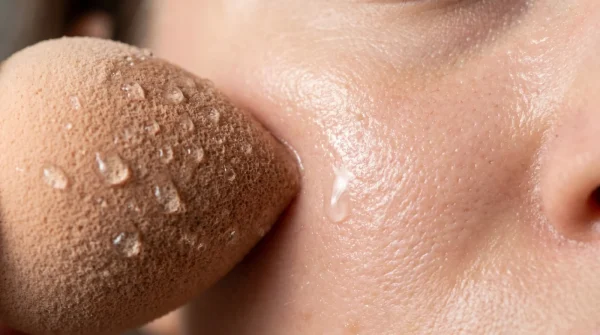
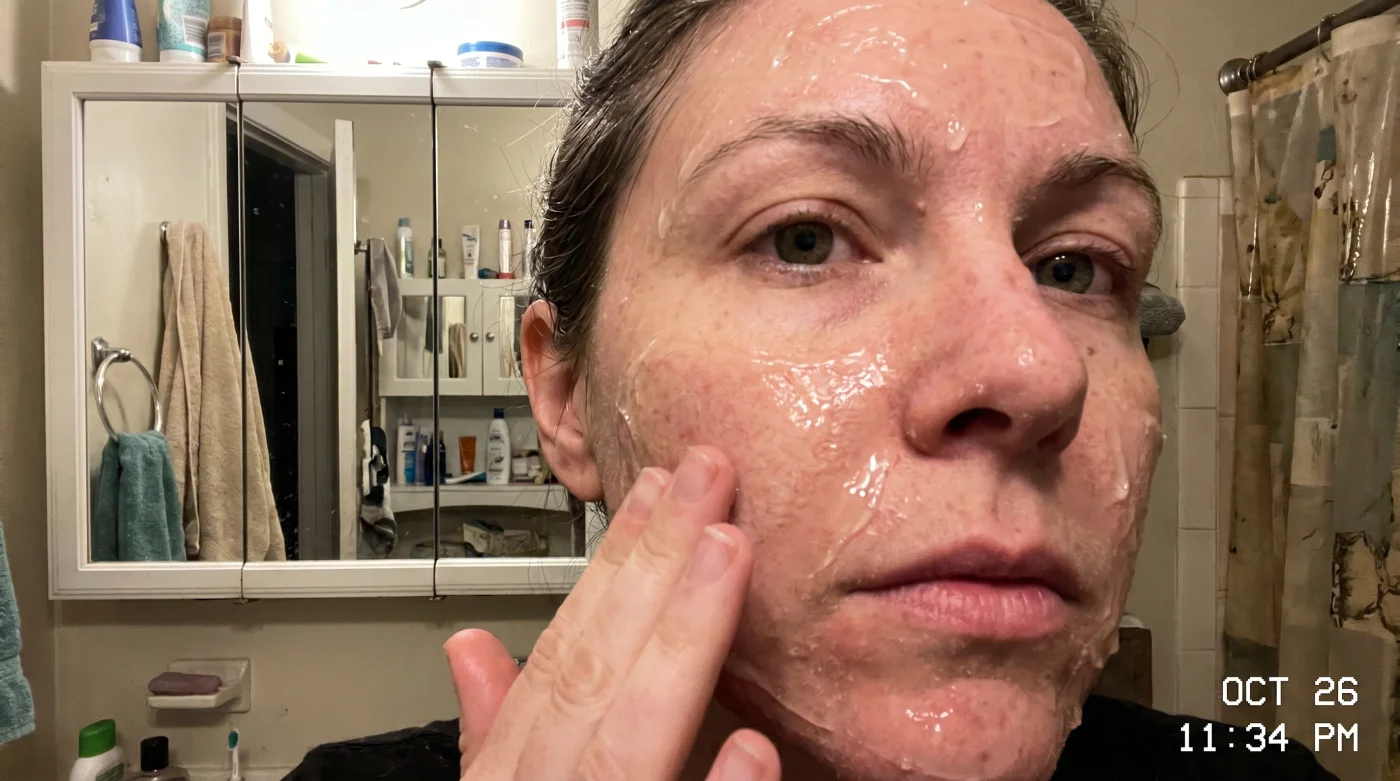
For the minimalist, it is simply a matter of timing. You step out of the shower and gently press a towel against your face once. Leave the droplets glistening. You want the surface to feel like the air after a summer downpour before you apply the serum.
- Taking Collagen Peptides Without This Morning Drink Wastes Your Money Completely
- The 3-Minute Morning Jawline Technique That Replaces Expensive Dermal Fillers
- Dermatologists Beg Women To Stop Mixing Retinol Cream With This Common Night Oil
- The ‘Triangle’ Concealer Trick Actually Accentuates Fine Lines After 50
- The £2 Supermarket Staple That Removes Product Build-Up Better Than Luxury Shampoos
- Leaving Micellar Water On Your Face Is Slowly Destroying Your Moisture Barrier
For the sensitive soul dealing with rosacea or menopausal flushing, tap water might feel too harsh. Keep an atomiser of thermal spring water on your dressing table. A light, cooling spritz provides the perfect buffering puddle for the acid to drink.
If your skin leans chronically dry, you need the sandwich method. You must mist, apply the serum, mist again, and then immediately trap that hydration. The speed is critical here; you are racing against evaporation.
The Scientifically Correct Protocol
Fixing this error requires a shift in your muscle memory. It is about routine layering, grounded in basic chemistry rather than marketing instructions.
The goal is to provide the sponge with external water, then build a wall over it so the moisture cannot escape into the atmosphere. Master the following sequence to repair your barrier:
- Cleanse your face using barely lukewarm water.
- Do not reach for the towel; sweep away excess drips with your fingers.
- While the skin is palpably damp, press three drops of serum into your face.
- Immediately massage a lipid-rich moisturiser over the top.
Your tactical toolkit is beautifully simple, requiring no extra financial investment. You just need to respect the timing and temperatures of the routine.
- Water temperature: 30 degrees Celsius (barely lukewarm).
- Time window: Sixty seconds between dampening the skin and applying the seal.
- The seal: Creams containing ceramides or squalane to act as a physical barrier.
A Quieter Morning Ritual
Correcting this single, seemingly mundane detail does more than just fix a dry patch on your forehead. It shifts your relationship with your face. You stop fighting your own biology and start working in harmony with its natural mechanics.
There is a profound relief in realising that your skin was not failing you as you aged. It was simply and entirely misunderstood. You do not need heavier interventions; you simply needed a slight adjustment in your choreography.
Tomorrow morning, let the water linger on your cheeks a moment longer. Feel the slip of the serum as it actually does its job.
It is a small act of chemical grace, trapping the moisture exactly where it belongs. Your skin will thank you with a quiet, lasting resilience.
‘Hyaluronic acid is a master builder, but you must supply the bricks—and in this case, the bricks are simply tap water.’ – Dr Eleanor Vance
| Routine Step | Dry Application | Damp Application (The Fix) |
|---|---|---|
| Preparation | Towel-dried face | Left visibly wet or misted |
| Serum Action | Pulls moisture from deep tissues | Binds surface water to the epidermis |
| The Result | Tight, papery skin and barrier damage | Plump, resilient, and hydrated skin |
Frequently Asked Routine Questions
Can I use hyaluronic acid every day? Yes, provided you supply it with enough water to bind to, daily use supports barrier health.
Does this apply to all serums? No, active acids like retinol or vitamin C should go on dry skin to prevent irritation. Hyaluronic acid is the exception.
What if my moisturiser already contains it? A blended moisturiser is formulated to balance hydration and sealing; this damp-skin rule strictly applies to raw humectant serums.
How long until my barrier repairs? By stopping the internal moisture drain, you will notice decreased tightness within three to five days.
Should I mist between all skincare steps? Only sandwich your humectants. Do not mist over oils or sunscreens, as water repels lipid-based layers.